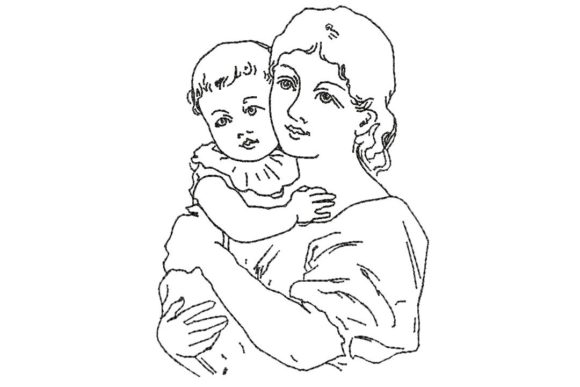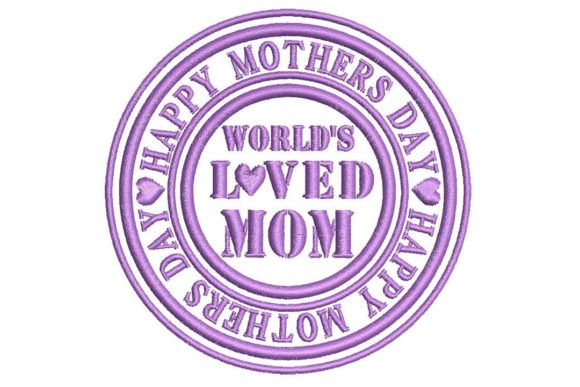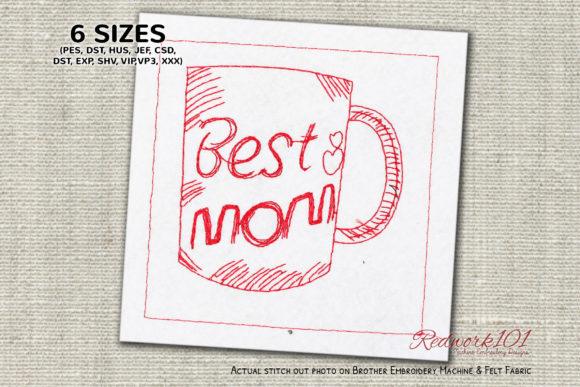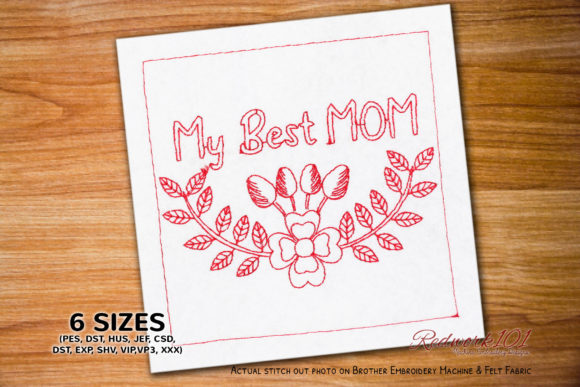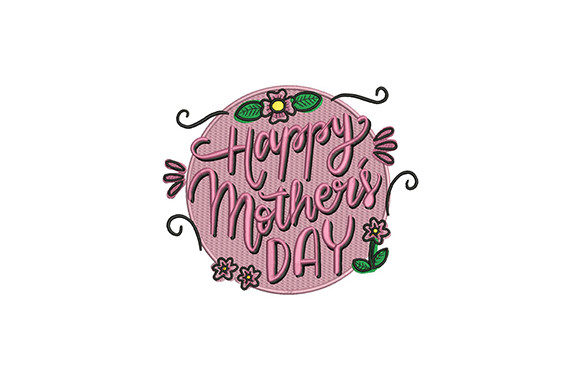
Happy Mothers Day Embroidery Design
The Happy Mothers Day embroidery design offers a heartfelt and versatile option for small businesses looking to create meaningful branded merchandise. As an experienced embroidery designer, I've evaluated this design for its potential in various business applications, from custom apparel to embroidered patches and more.
First Impressions of Happy Mothers Day
From the outset, Happy Mothers Day exudes a warm, friendly, and professional vibe. The design feels suitable for both handmade and commercial use, with a balance of playfulness and elegance that can appeal to a wide audience. Its five-color palette suggests versatility, allowing it to stand out on different fabric types while maintaining visual clarity.
This design is ideal for businesses aiming to connect emotionally with customers, especially during Mother’s Day. It carries a sense of sincerity that can enhance brand identity and customer trust when used effectively.
Real Business Use of Happy Mothers Day
Happy Mothers Day shines as an embroidered patch, making it perfect for staff uniforms, aprons, and caps. Its size and detail make it suitable for chest logos or sleeve accents, adding a personal touch to custom apparel. For tote bags and product packaging, the design can serve as a subtle yet impactful branding element.
Small business merch, such as event giveaways or customer gifts, benefits from the design’s ability to convey sentiment without overwhelming the viewer. Whether used on work shirts, boutique merchandise, or Etsy branding, Happy Mothers Day maintains a cohesive look that aligns with a professional aesthetic.
As a digital embroidery file, it supports multiple formats, giving designers flexibility in production. This makes it a valuable asset for crafters, embroidery shops, and product designers who need reliable and adaptable design assets.
Where to Use Happy Mothers Day Carefully
While Happy Mothers Day is visually appealing, it may not be ideal for all applications. On small patch sizes, the design could lose some of its detail, making it less effective. Similarly, curved surfaces like cap fronts might require adjustments to maintain the integrity of the design.
Tiny lettering and high stitch density could pose challenges on textured fabrics or dark uniforms, where contrast might be an issue. Businesses should test the design at various sizes and on different materials to ensure it meets their quality standards.
For frequent washing, the design’s durability should be considered. Proper stabilizer use and correct hoop size are essential to prevent puckering or distortion during the embroidery process.
Impact on Brand Identity and Customer Engagement
Happy Mothers Day has the potential to strengthen brand identity by reinforcing a business’s values and connection to its audience. When used consistently across merchandise, it enhances recognition and builds a sense of trust among customers.
The design also adds value to handmade products, offering a polished finish that elevates the perceived quality of the finished product. Its presence on custom apparel or branded items can increase buyer engagement, especially during seasonal promotions like Mother’s Day.
Visual consistency is key for small businesses, and Happy Mothers Day provides a reliable option that aligns with other design assets. By integrating it into a broader branding strategy, businesses can create a cohesive look that resonates with their target market.
Practical Tips for Embroidery Designers
Before finalizing the use of Happy Mothers Day, it's wise to test the design in black and white to assess its structure and spacing. Checking how it looks at a small patch size ensures it remains legible and visually appealing.
Reviewing thread color contrast is crucial, especially when using the design on dark or light fabrics. Ensuring proper spacing between elements helps avoid overcrowding, which can affect the overall appearance of the embroidered patch or apparel.
Confirming the hoop size required for the design is important to avoid unnecessary adjustments during the embroidery process. Testing the design on real fabric and using the appropriate stabilizer can prevent issues like stretching or distortion.
Creating a printable mockup for client approval allows for feedback before mass production. Comparing Happy Mothers Day with other design assets ensures it fits within the overall branding strategy. Lastly, verifying commercial licensing terms is essential to avoid any legal complications before using the design for business purposes.
Conclusion
Happy Mothers Day is a thoughtful and adaptable embroidery design that can enhance a wide range of small business merchandise. Its emotional appeal, combined with practical usability, makes it a strong choice for branded patches, custom apparel, and promotional items.
With careful consideration of placement, fabric type, and technical requirements, this design can become a valuable addition to any business’s product line. Whether used on apron embroidery, cap embroidery, or tote bag design, Happy Mothers Day offers a meaningful way to connect with customers and elevate brand presence.