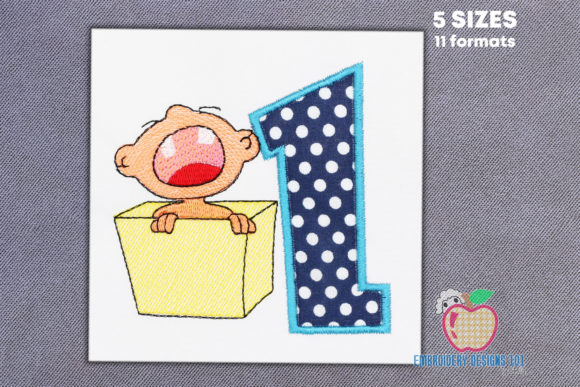
The Little Baby Crying in the Box
As an experienced embroidery designer, I often evaluate machine embroidery designs for small business merch, branded patches, and custom apparel. The The Little Baby Crying in the Box design stands out for its unique visual appeal and potential for creative application. This review explores how this design can be used effectively in various business contexts, from embroidered patches to tote bag designs, while highlighting key considerations for successful implementation.
First Impressions: A Design with Character
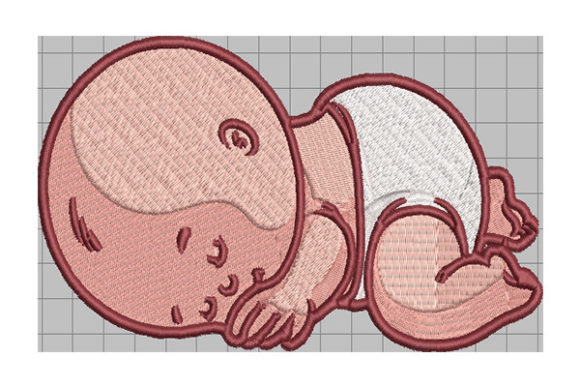
The The Little Baby Crying in the Box design immediately catches the eye with its whimsical and expressive nature. It feels both playful and professional, making it a versatile choice for businesses aiming to balance creativity with a polished brand identity. The design’s bold outlines and clear details suggest it was crafted with attention to quality, which is essential for commercial embroidery projects.
Its style leans toward a handmade aesthetic, which could work well for boutique brands or craft businesses looking to emphasize authenticity. However, it also has the potential to feel premium when executed with high-quality thread colors and proper stabilizer use.
Real Business Use: From Patches to Tote Bags
This machine embroidery design is available in five sizes, ranging from 4 inches to 8 inches, and is compatible with hoop sizes such as 4x4, 5x7, 6x10, 8x8, and 8x12. These specifications make it suitable for a wide range of applications, including:
- Embroidered patches for jackets, bags, and uniforms
- Cap embroidery and apron embroidery for staff wear
- Tote bag design that adds a personal touch to eco-friendly merchandise
- Custom apparel like t-shirts, sweatshirts, and work shirts
- Product packaging accents that reinforce brand recognition
For small businesses, this design offers a way to create memorable, visually engaging merchandise without compromising on detail or quality. Its size flexibility allows it to be adapted for everything from small patch applications to larger chest logos.
Considerations for Effective Application
While The Little Baby Crying in the Box is a compelling design, there are several factors to consider before using it in a commercial setting:
- Small patch sizes: At smaller sizes, intricate details may become less visible. Test the design at the intended scale to ensure clarity.
- Curved surfaces: Applying the design to curved areas like caps or sleeves may require adjustments to maintain visual integrity.
- High stitch density: The design’s detailed outlines may require additional stabilizer to prevent puckering or distortion on textured fabrics.
- Thread color contrast: Ensure the chosen thread colors stand out against the fabric, especially for dark uniforms or items that will be washed frequently.
- Commercial licensing: Always confirm that the digital embroidery file comes with the appropriate license for your business use, whether for resale or internal branding.
Impact on Brand Identity and Customer Trust
Branding through embroidery is a powerful tool for building customer trust and recognition. When used strategically, The Little Baby Crying in the Box can enhance a business’s visual identity by adding a unique, memorable element to their merchandise. Its playful nature may resonate well with audiences seeking a lighthearted or creative brand presence.
However, the design should be used consistently across all design assets to maintain visual harmony. For example, if it appears on a printable mockup, it should match the same look and feel on a custom apparel piece or product packaging.
Practical Tips for Embroidery Designers
As a professional embroidery designer, here are some practical steps to take when working with The Little Baby Crying in the Box:
- Test in black and white first to assess how the design translates without color distractions.
- Check small patch sizes to ensure the design remains legible and appealing at reduced scales.
- Review thread color contrast to ensure visibility on different fabric types.
- Inspect spacing between elements to avoid overcrowding or misalignment.
- Confirm hoop size compatibility with your embroidery machine to avoid resizing issues.
- Test on real fabric to see how the design looks in practice, not just on a screen.
- Use proper stabilizer to support the design, especially on delicate or stretchy materials.
- Create a mockup for client approval before final production.
- Compare beside other design assets to ensure consistency in your brand’s visual language.
- Confirm commercial licensing to avoid legal issues when using the design for business purposes.
Conclusion: A Versatile Design for Creative Businesses
The Little Baby Crying in the Box is a design that blends creativity with practicality, offering small businesses and embroidery shops a unique opportunity to elevate their merchandise. Whether used as an embroidered patch, cap embroidery, or tote bag design, it has the potential to enhance brand identity and customer engagement when applied thoughtfully.
By following best practices for commercial embroidery and considering the design’s limitations, businesses can maximize its impact and create high-quality, visually striking products that stand out in the market.