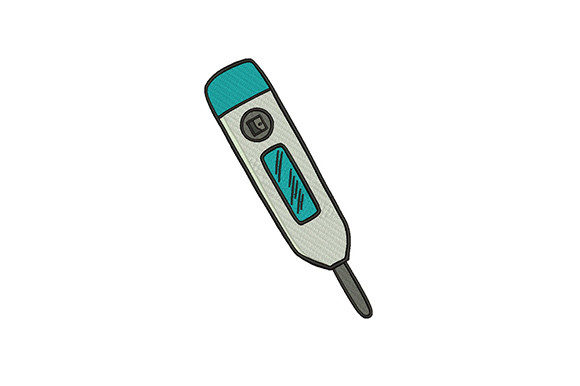
Thermometer Design Review
First Impressions of Thermometer Design
As an embroidery designer with years of experience, I always look for machine embroidery design that balances visual appeal with practicality. The Thermometer Design caught my eye with its playful yet professional aesthetic. It’s a simple concept—resembling a thermometer—but the execution is surprisingly detailed and versatile.
The design has a whimsical mood that works well for both casual and commercial projects. Its clean lines and subtle textures make it suitable for a wide range of items, from tote bags to baby blankets. The overall stitching personality is soft but precise, giving it a polished look that stands out in any setting.
One of the first things I noticed was the level of detail. While it’s not overly complex, the design includes small elements like the mercury line and temperature markings that add character without overwhelming the piece. This makes it ideal for projects where subtlety matters, such as personalized gifts or branded apparel.
How Thermometer Design Performs in Real Projects
When considering real-world use, Thermometer Design proves to be a reliable choice for multiple applications. It fits naturally into custom apparel, tote bags, sweatshirts, and even baby items. The design’s size and shape make it easy to adapt to different surfaces, including curved cap areas and flat fabric pieces.
For applique design, the thermometric shape offers a unique twist on traditional motifs. It can be used as a standalone element or combined with other designs to create a cohesive theme. Whether you're working on a seasonal handmade gift or a commercial embroidery product, this design adds a touch of creativity without being too bold.
One challenge with smaller designs is maintaining clarity on textured or stretchy fabrics. However, Thermometer Design seems to handle these situations well. Its stitch density is balanced, allowing it to hold up on various materials while still looking crisp and clean.
Practical Use Considerations
When using Thermometer Design, there are several factors to keep in mind. For instance, if you’re planning to use it on a printed mockup or a digital embroidery file, ensure that the design scales properly without losing detail. Small hoop sizes may require some adjustments, especially if the design includes tiny lettering or intricate details.
Stitch density is another important aspect. If the design has dense areas, it might need additional stabilizer to prevent puckering, especially on lightweight or stretchy fabrics. Testing on scrap fabric before committing to a final project is always a good idea.
Thread color contrast is also key. Depending on the fabric color, you may need to adjust your thread choices to ensure the design stands out. For dark fabrics, a bright thread color can create a striking effect, while lighter threads work well on white or pastel backgrounds.
Impact on Product Value and Branding
Using Thermometer Design can significantly enhance the value of your handmade product. Its clean, recognizable shape makes it ideal for personalized gifts and custom apparel. It also helps in creating brand consistency, especially if you’re developing a collection of themed items.
In terms of handmade presentation, this design offers a professional finish that appeals to customers looking for quality and uniqueness. It’s perfect for Etsy listings, craft fair products, and boutique merchandise. The design’s simplicity also makes it easy to photograph, which can improve customer engagement and sales performance.
For commercial embroidery projects, Thermometer Design is a solid choice. Its versatility allows it to be used across multiple products, from embroidered patches to sweatshirt embroidery. It’s also a great addition to design assets for digital product sellers.
Embroidery Tips for Using Thermometer Design
To get the best results with Thermometer Design, follow these practical tips:
- Test on scrap fabric before starting a final project to check how the design looks on your chosen material.
- Check thread color contrast to ensure visibility and visual impact.
- Review stitch density to avoid issues on delicate or stretchy fabrics.
- Confirm hoop size to ensure the design fits comfortably in your embroidery machine.
- Compare light and dark fabric mockups to see how the design performs in different settings.
- Use proper stabilizer to maintain the integrity of the design on textured or stretchy materials.
- Inspect small details after stitching to catch any missed elements or imperfections.
- Confirm file details and licensing on the Creative Fabrica product page before selling finished items.
Final Thoughts on Thermometer Design
Overall, Thermometer Design is a valuable addition to any embroidery designer’s toolkit. It combines charm with functionality, making it suitable for a wide range of projects. Whether you're creating a tote bag design, an apron embroidery, or a nursery decor piece, this design offers flexibility and style.
As someone who values quality and practicality, I find Thermometer Design to be a reliable choice for both personal and commercial use. Its clean lines, manageable size, and adaptable nature make it a go-to option for many embroidery projects.